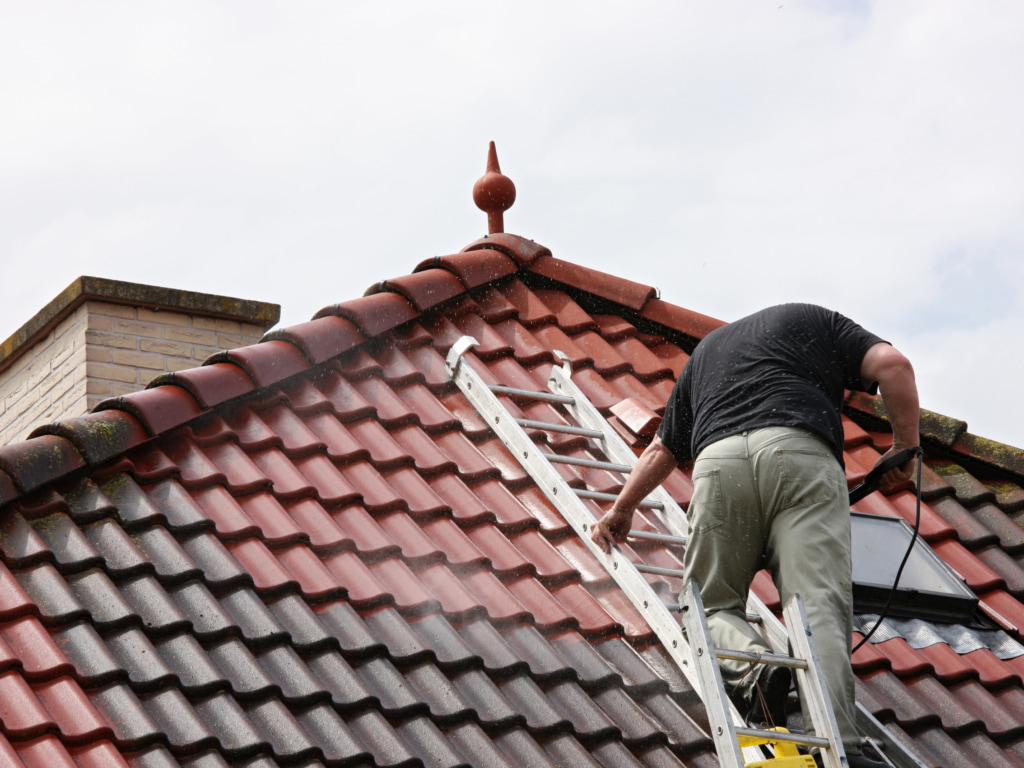
When choosing a roof design, homeowners often focus on appearance, but the structure of a roof also plays a crucial role in how well it performs during challenging weather conditions. Among the various roof styles available, hip roofs have earned a strong reputation for their durability and ability to cope with high winds, heavy rainfall, and changing weather patterns. Their unique design offers several structural advantages that make them particularly resilient.
For homeowners in Swanmore, Hampshire, understanding the benefits of a hip roof can help when considering a roof replacement, extension, or major roofing project. At Swanmore Roofing Repairs, we regularly work on hip roofs and understand why they continue to be one of the most dependable roofing designs for properties exposed to the British climate.
What Is a Hip Roof?
A hip roof is characterised by slopes on all four sides that meet at a ridge or central point. Unlike a gable roof, which has two sloping sides and two vertical ends, a hip roof has no large upright sections.
This design creates:
- A balanced appearance
- Improved structural stability
- Better wind resistance
- Effective rainwater runoff
These features contribute significantly to the roof’s long-term performance.
Superior Wind Resistance
One of the biggest advantages of a hip roof is its ability to handle strong winds. Because all sides slope downwards, wind can flow more smoothly over the roof surface rather than pushing directly against large vertical sections.
This helps:
- Reduce wind pressure
- Minimise uplift forces
- Lower the risk of structural stress
- Improve overall stability during storms
For properties exposed to frequent windy conditions, this can be a significant benefit.
Strong Structural Design
Hip roofs are naturally robust due to the way their structure distributes weight and external forces.
The design provides:
- Enhanced load distribution
- Greater rigidity
- Improved resistance to movement
- Additional structural support
This strength contributes to the roof’s ability to withstand severe weather over many years.
Excellent Rainwater Management
Heavy rainfall is a common challenge for roofs throughout the UK. Hip roofs are designed with multiple sloping surfaces that encourage efficient water runoff.
Benefits include:
- Reduced water pooling
- Faster drainage
- Lower risk of standing water
- Improved protection against water ingress
Effective drainage helps protect both the roof covering and the underlying structure.
Better Performance During Storms
Extreme weather often combines strong winds and heavy rain. A roof that can manage both effectively is better positioned to protect the property during severe conditions.
Hip roofs perform well because they:
- Deflect wind efficiently
- Promote rapid water runoff
- Maintain structural integrity
- Reduce stress on roofing components
These qualities make them a popular choice for long-term reliability.
Improved Stability for Larger Roof Areas
Properties with larger roof spans can benefit particularly from the stability offered by a hip roof design.
The structure helps:
- Support larger roof areas
- Reduce strain on individual sections
- Provide greater overall balance
- Enhance long-term durability
This contributes to the roof’s ability to remain secure and effective over time.
Reduced Vulnerability at Roof Ends
Gable roofs have vertical end walls that can be exposed to direct wind pressure. Hip roofs eliminate these large upright surfaces, reducing the areas most vulnerable to wind-related stress.
This design feature helps:
- Improve aerodynamic performance
- Reduce storm-related damage risks
- Enhance structural resilience
- Increase overall roof reliability
The result is a roof better equipped to cope with adverse weather conditions.
Long-Term Durability
The strength and stability of a hip roof often contribute to excellent long-term performance. While all roofs require maintenance, a well-constructed hip roof can provide reliable protection for many years.
Advantages include:
- Consistent weather resistance
- Reduced exposure to structural stress
- Strong overall performance
- Excellent longevity
Regular inspections and maintenance help maximise these benefits.
The Importance of Professional Installation
Even the strongest roof design depends on quality workmanship. Proper construction and installation are essential to ensure that a hip roof performs as intended.
Professional roofing specialists ensure:
- Accurate structural design
- Secure fixing of roofing materials
- Effective weatherproofing
- Long-lasting performance
This is particularly important when constructing or replacing a hip roof.
Why Choose Swanmore Roofing Repairs?
At Swanmore Roofing Repairs, we provide:
- Hip roof repairs and maintenance
- Roof inspections
- Roof replacement services
- Tile and slate repairs
- Flashing and ridge repairs
- Professional roofing services throughout Swanmore, Hampshire
Our experienced team delivers reliable roofing solutions designed to keep properties protected throughout every season.
Conclusion
Hip roofs are widely regarded as one of the most weather-resistant roof designs available. Their sloping sides, strong structural framework, efficient drainage, and excellent wind resistance all contribute to outstanding performance during extreme weather conditions. These qualities make them a practical and dependable choice for homeowners seeking long-term protection.
For homeowners in Swanmore, Hampshire, a professionally installed and well-maintained hip roof can provide lasting peace of mind and reliable defence against the elements. At Swanmore Roofing Repairs, we offer expert roofing services designed to ensure every roof remains strong, secure, and ready to withstand whatever the weather brings.
Call us on: 01489 357 099
Click here to find out more about Swanmore Roofing Repairs
Click here to complete our contact form and see how we can help with your roofing needs.