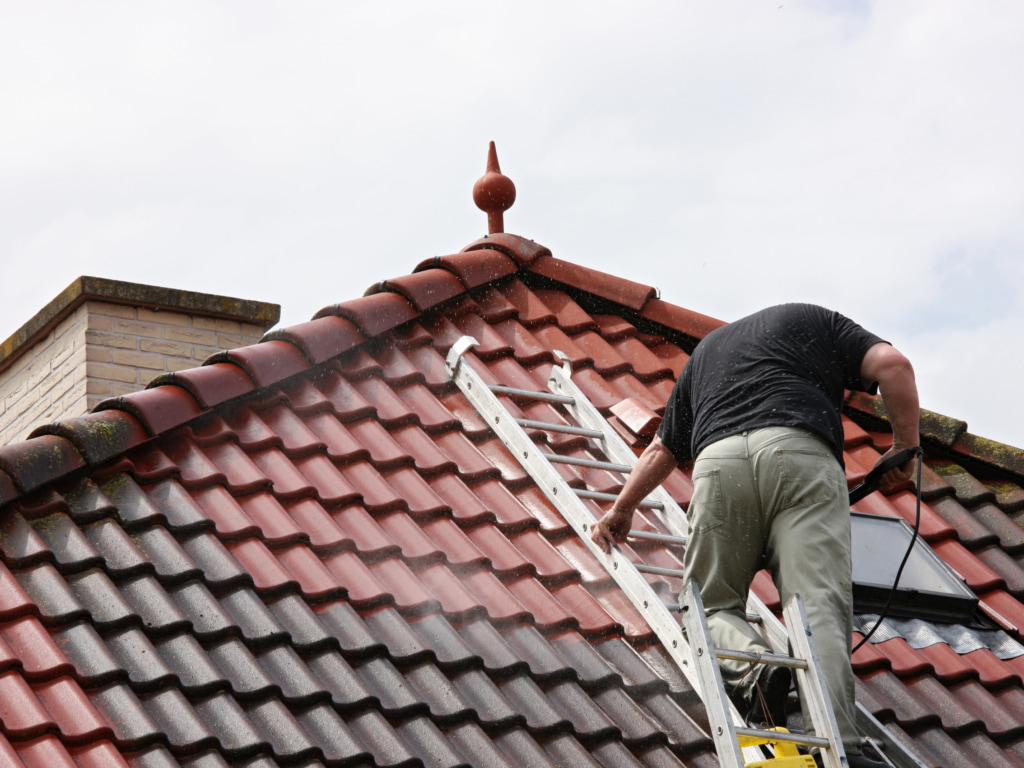
When a roof begins to fail, it may seem simpler to cover the existing materials or repair only the most visible defects. This can be suitable in limited circumstances, but badly deteriorated roofing materials often need to be removed before dependable repair or replacement work can begin.
Removing failed tiles, felt, battens or other components provides access to the underlying roof and reveals the true extent of the problem. It also ensures that new materials are installed onto a sound, properly prepared base rather than relying on components that may continue to weaken.
Why Deteriorated Roofing Materials Should Not Be Left in Place
Hidden Damage Needs to Be Identified
The visible roof covering does not always show what is happening underneath. Cracked tiles or worn felt may have allowed moisture to reach battens, decking or structural timbers over an extended period.
Removing deteriorated materials makes it possible to inspect these concealed areas for:
- Damp or decaying battens
- Torn or brittle underlay
- Soft or damaged roof decking
- Corroded fixings
- Moisture staining
- Weakened timber
- Gaps around roof junctions
- Earlier repairs that are no longer effective
Without this access, new work may conceal the damage rather than resolve it.
New Materials Require a Stable Base
Roofing materials rely on secure support. Tiles need sound battens and suitable fixings, while flat roofing systems require a clean, stable and correctly prepared deck.
If the underlying surface is weakened, uneven or contaminated, the new covering may not perform as intended. It could move, split or lose adhesion even when the replacement material itself is in good condition.
Removing defective components allows the supporting layers to be repaired, levelled or renewed before the new roof covering is fitted.
Trapped Moisture Can Continue Causing Damage
Covering damp roofing materials can trap moisture within the roof build-up. This moisture may then continue affecting timber, insulation and adjoining components even though the external surface appears renewed.
Signs of trapped or recurring moisture can include musty odours, staining in the roof space, soft timber and damp patches that return after rainfall.
Removing saturated or badly deteriorated materials gives the affected area an opportunity to be assessed properly. Any damaged components can then be replaced before the roof is weatherproofed again.
The Original Cause of Failure Can Be Corrected
Roof deterioration is not always caused by age alone. Poor drainage, inadequate falls, failed flashing, movement, unsuitable fixings and weak detailing around junctions can all contribute.
Simply installing new material over the old roof may reproduce the same weakness. Removal allows the construction beneath the failure to be examined so that the cause can be addressed.
For example, a leaking valley may involve more than a damaged visible lining. Surrounding underlay, battens and tile support may also require attention to create a reliable repair.
Loose Material Can Affect the New Covering
Old felt, damaged tiles and crumbling mortar do not provide dependable support. If these materials move or continue breaking down, they can affect the stability and alignment of the new work above them.
Loose material may also make it difficult to form secure junctions around ridges, verges, chimneys and roof edges. Removing it creates a cleaner working area and allows each new component to be fitted correctly.
Unnecessary Layers Can Add Complications
Adding new coverings over failed materials can alter roof levels and make junctions more difficult to detail. It may affect drainage routes, roof edges, flashing heights and connections with adjoining surfaces.
Additional layers can also make future inspections more difficult because the condition beneath the visible covering remains concealed. Removing material that no longer serves a useful purpose creates a clearer, more consistent roofing system.
Localised Removal May Be Sufficient
Not every roofing problem requires the complete covering to be stripped. If damage is confined to one section and the surrounding roof remains sound, localised removal may provide adequate access for repair.
A roofer may lift the affected tiles or covering, replace damaged underlay and battens, correct the defect and reinstate the area. This retains serviceable materials while ensuring that failed components are not left beneath the repair.
The appropriate extent of removal depends on how far deterioration has spread and whether the remaining roof can support reliable work.
When Wider Removal May Be Necessary
Broader removal may be recommended when:
- The roof has failed in several areas
- Underlay has deteriorated across large sections
- Battens are widely weakened
- Numerous tiles are brittle, cracked or loose
- Flat roofing material has blistered, split or detached
- Earlier layers prevent proper inspection
- Repeated repairs have not stopped water ingress
- The roof covering can no longer be disturbed without further damage
These conditions may indicate that the roof needs coordinated refurbishment or replacement rather than another surface patch.
Why a Professional Assessment Matters
Deciding what should be removed requires an understanding of how the complete roof is constructed. Removing too little may leave failed material concealed, while unnecessary stripping can disturb sections that remain serviceable.
At Swanmore Roofing Repairs, we assess the visible covering, supporting layers and important roof junctions before recommending the appropriate work. This helps determine whether localised removal is sufficient or whether a wider section must be opened to achieve a dependable result.
Conclusion
Removing deteriorated roofing material is often necessary because it exposes hidden damage, releases trapped moisture and provides a stable base for new work. It also allows the original cause of the failure to be corrected instead of being covered over.
If your roof in Swanmore, Hampshire, has recurring leaks or visibly deteriorated materials, contact Swanmore Roofing Repairs to arrange a professional assessment and receive clear guidance on the work required.
Call us on: 01489 357 099
Click here to find out more about Swanmore Roofing Repairs
Click here to complete our contact form and see how we can help with your roofing needs.