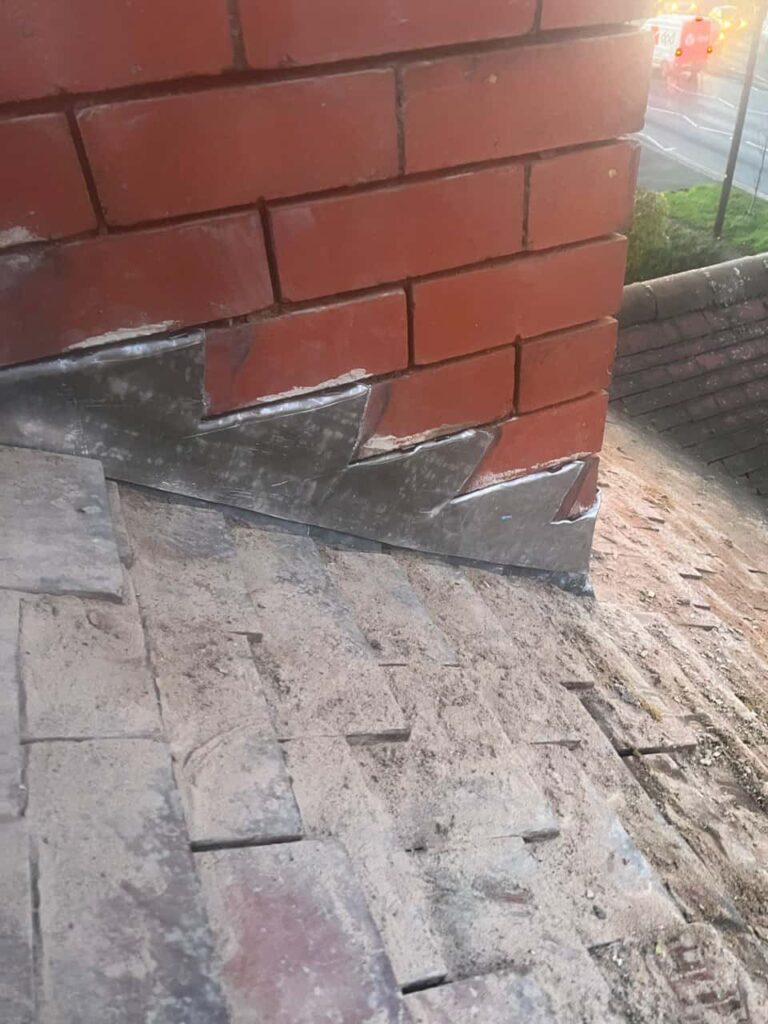
A roof problem that appears in one isolated area can often be resolved through a targeted repair. When tiles, flashing, mortar or other components begin failing in different places, however, the pattern deserves closer attention.
Several defects do not automatically mean that the entire roof needs replacing. They may result from one underlying issue affecting a wider section. Equally, repeated problems can indicate that the roof’s materials are deteriorating more generally. The most useful next step is a complete professional assessment rather than continuing to treat each fault separately.
How to Respond to Repeated Problems Across a Roof
The cause, distribution and severity of the defects must be established before deciding on further repairs. A roof should be considered as a complete weatherproofing system, including the visible covering and the hidden components beneath it.
Record Where and When Problems Occur
Keeping a simple record can help identify a pattern. Note which rooms are affected, whether leaks occur during heavy or wind-driven rain, and whether the dampness appears immediately or some time afterwards.
Useful information includes:
- The position of internal damp marks
- Which roof slopes have visible damage
- Whether leaks occur during particular weather conditions
- Where previous repairs were completed
- How soon problems returned
- Whether tiles or debris have fallen
- Any changes in the roofline
This information can support an inspection, although it should not replace a direct assessment of the roof.
Do Not Assume Every Damp Patch Has a Separate Cause
Water can travel along underlay, rafters, battens and masonry before appearing inside a property. Damp marks in different rooms may therefore originate from one defective junction or section of damaged flashing.
The opposite can also be true: one internal stain may receive water from several nearby weaknesses. Concentrating only on the ceiling mark can lead to work being completed in the wrong place.
A roofer should trace the likely route of the water and examine the roof above and around the affected area.
Arrange a Whole-Roof Inspection
When different components keep failing, inspecting only the newest defect provides an incomplete picture. A whole-roof assessment should examine:
- Tiles or slates across every elevation
- Ridge, hip and verge details
- Valleys and other drainage routes
- Lead flashing and roof junctions
- Underlay and battens
- Accessible supporting timbers
- Guttering and water discharge points
- Previous repair areas
- Signs of moisture within the roof space
This helps determine whether the problems are isolated, connected or evidence of general deterioration.
Check the Condition Beneath the Covering
Tiles and slates are only the outer layer of a roof. Battens support them, while the underlay provides secondary protection against moisture and wind-driven rain.
If these hidden materials are failing, replacing individual tiles may not restore dependable performance. Corroded fixings can allow tiles to slip in different places, while brittle underlay may admit water even after visible openings have been closed.
A roof-space inspection can reveal damp timber, torn membrane, daylight through gaps and water staining that is not visible from outside.
Consider Whether Previous Repairs Addressed the Cause
A repair can fail when it treats a symptom rather than the reason the damage developed. For example, replacing a slipped tile may provide limited benefit if the supporting batten is weak. Sealing one edge of flashing may not stop a leak if the lead is split elsewhere.
Previous repairs should be reviewed as part of the assessment. The key questions are whether the original cause was identified and whether the surrounding materials were sound enough to support the work.
Look at the Pattern of Material Deterioration
Repeated faults clustered around one chimney, valley or roof penetration may remain suitable for a broader localised repair. Problems appearing across several unrelated roof slopes are more likely to indicate general ageing or widespread component failure.
Warning signs of broader deterioration include:
- Tiles or slates slipping in multiple areas
- Several unrelated leaks
- Mortar failing along different junctions
- Widespread brittleness in the covering
- Repairs disturbing neighbouring materials
- Multiple sections of damaged underlay
- Sagging or distortion in the roofline
- New faults appearing soon after previous work
The combination of these signs matters more than any single defect.
Decide Between Targeted Repairs and Wider Work
Further repairs may be appropriate when the roof structure remains stable, most materials are serviceable and the faults can be traced to repairable components.
More extensive work may need to be considered when deterioration affects the roof throughout, hidden layers are failing or reliable repairs can no longer be integrated with the surrounding materials.
The decision should be based on inspection findings rather than the roof’s age alone. An older roof may remain repairable, while a newer covering can require wider attention if it has suffered poor installation or significant damage.
Avoid Repeated Temporary Patching
Temporary patches can help contain an immediate problem, but they should not become the long-term approach to a roof with recurring defects. Layers of sealant or repeated surface repairs may conceal damage without restoring the correct movement or flow of water.
If patches are frequently required, the roof needs a broader diagnosis. Identifying the relationship between the defects is more valuable than covering each new opening as it appears.
What a Suitable Repair Plan Should Achieve
A professional repair plan should explain:
- Which defects have been identified
- Whether they share an underlying cause
- What surrounding materials are affected
- Which areas remain serviceable
- Whether targeted repairs can restore reliable performance
- Whether broader work is needed
- How drainage and weather protection will be reinstated
This creates a clear basis for action and reduces the likelihood of treating visible symptoms while concealed problems continue.
Conclusion
When different parts of a roof keep failing, the priority should be a complete assessment rather than another isolated patch. Several defects may come from one repairable cause, but faults across multiple areas can also indicate that the covering, fixings or underlay are deteriorating more widely.
If your roof in Haverhill, Suffolk, has developed repeated or unrelated problems, Haverhill Roofing Repairs can inspect the complete system, identify the underlying causes and recommend an appropriate course of action. Contact the team to arrange a professional roof assessment.
Call us on: 01489 357 099
Click here to find out more about Swanmore Roofing Repairs
Click here to complete our contact form and see how we can help with your roofing needs.